A refrigerant leak in your air conditioning system doesn't announce itself with a loud noise or a sudden failure. It creeps up on you. Your AC still blows cold air, but not as cold as it used to. Your unit runs longer to cool the same room. Then one day in the middle of a hot Magnolia afternoon, you realize it's not cooling at all. By then, you're dealing with an emergency call and a much bigger repair bill. The good news is that refrigerant leaks leave signs you can catch weeks or even months before your system gives up. Knowing what to look for means you can call a technician while the problem is small, not when you're sweating through your shirt.
Your AC Is Not Cooling Like It Used To
The first sign most people notice is that their air conditioner doesn't feel as cold. You set the thermostat to 72 degrees, and it takes forever to get there. Or it never quite reaches 72 at all. This happens because refrigerant is the liquid that actually absorbs heat from inside your home and moves it outside. Less refrigerant means less heat absorption. In Magnolia's summer heat, you'll feel this pretty quickly. If your AC has been running fine for years and suddenly feels weak, don't assume it just needs a tune-up. A refrigerant leak is one of the most common reasons for weak cooling.
Listen for Short Cycling and Watch Your Energy Bill
A unit with a refrigerant leak works harder to do the same job. Your compressor cycles on and off more frequently, trying to reach the temperature you've set. This is called short cycling. You might notice your AC turning on and off every few minutes instead of running for 15 to 20 minute stretches. At the same time, your electricity bill climbs. If your cooling costs jump 10 to 15 percent without any change in your usage habits or outside temperatures, a leak could be the culprit. Your system is running constantly, burning energy, and not getting ahead of the heat load.
Look for Ice on the Refrigerant Lines
Walk outside and look at the copper refrigerant lines running from your indoor unit to your outdoor condenser. In normal operation, the line that carries cold refrigerant will feel cool to the touch. But you shouldn't see ice buildup on it. If you spot frost or ice coating the line, especially during warm weather, that's a red flag. The low refrigerant causes the line temperature to drop below the dew point, and moisture in the air freezes on the surface. This is one of the most visible signs of a leak, and it means your system is already struggling. Don't try to scrape off the ice yourself. Turn off the AC and call a technician. Running the system with ice buildup can damage the compressor.
Hissing or Bubbling Sounds from the Unit
A small refrigerant leak sometimes makes a hissing sound near the outdoor condenser or where the lines connect to the indoor unit. You might hear it as a quiet hiss rather than a loud noise. Some leaks produce a bubbling sound, which happens when refrigerant is escaping through a small hole. These sounds are easier to hear when the AC is running and it's quiet outside. If you hear either of these sounds, the leak is active and your refrigerant is actively escaping. This is not something that will fix itself.
Moisture or Oily Spots Around Your Equipment
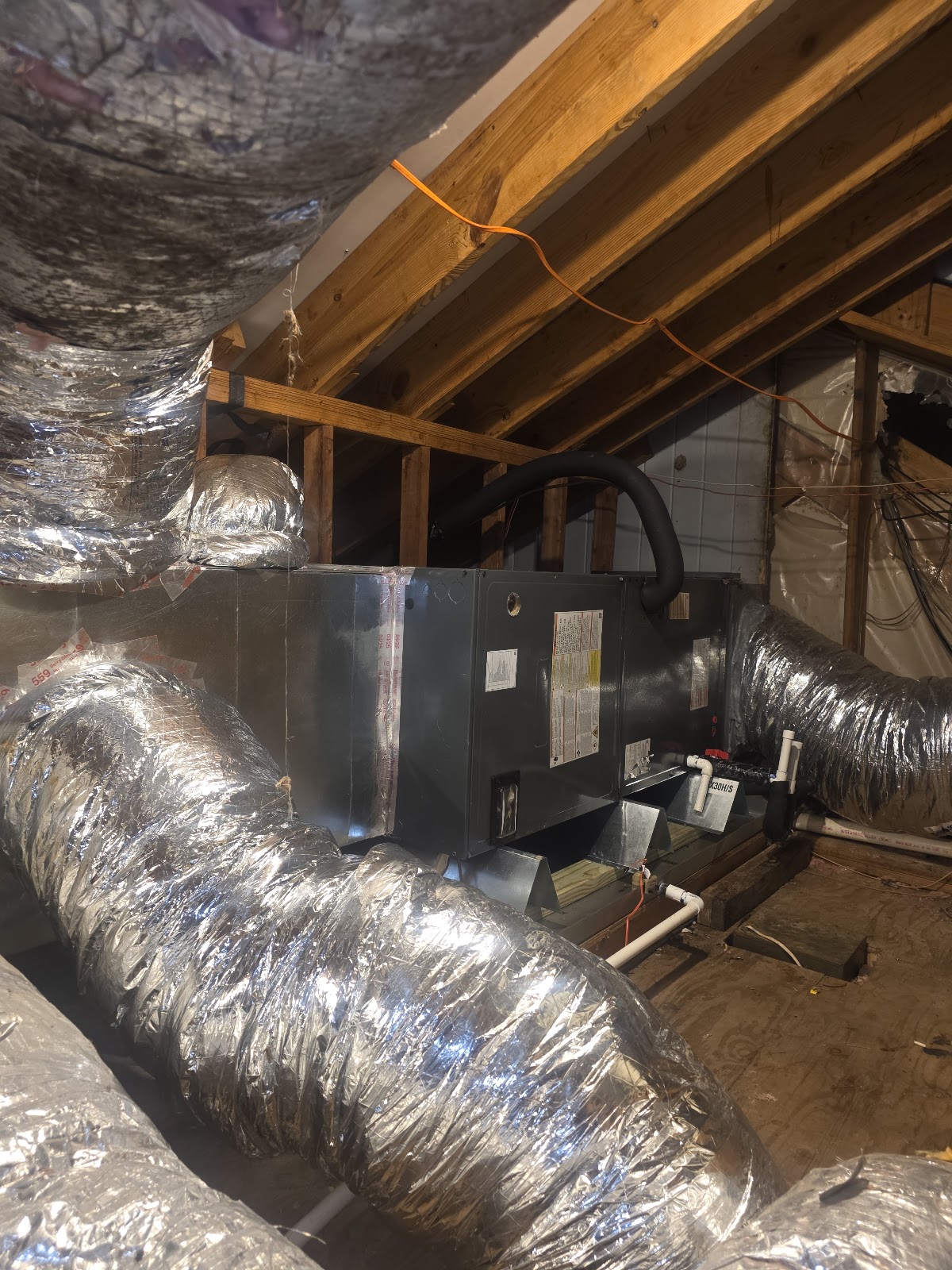
Refrigerant often leaks along with small amounts of compressor oil. If you look at the base of your outdoor unit or trace the refrigerant lines, you might see an oily residue or wet spots where the leak is happening. Dust and dirt stick to these oily spots, so you may see a dark, grimy patch. This tells you exactly where the leak is located. Sometimes the leak is inside the wall or in the attic where the indoor unit sits, and you won't see it. But if you spot moisture or oil around your equipment, that's a concrete sign a leak exists.
What To Do When You Spot These Signs
If you notice one or more of these warning signs, don't wait for your AC to fail completely. Call Home Comfort Solutions in Magnolia right away. A technician can use electronic leak detection equipment to pinpoint the source, confirm how much refrigerant you've lost, and repair the leak before it turns into a system failure. Catching a leak early costs far less than replacing a compressor or an entire unit. In the Texas heat, your air conditioner is too important to ignore these warning signs. Get it checked out today.