Lightning strikes are rare, but when one hits your house, your HVAC system can take serious damage. The electrical surge travels through your home's wiring and can fry circuit boards, compressors, and control systems. If you live in Magnolia, where summer thunderstorms roll in fast and hard, this is worth understanding. You don't need to panic about every storm, but you should know what to look for afterward and when to call someone out to check things over.
How Lightning Damages HVAC Equipment
When lightning strikes your house, it doesn't always hit the air conditioning unit directly. More often, it travels through your electrical panel and into the wires that power your system. Your furnace, air handler, and outdoor condenser all have circuit boards and capacitors that are sensitive to power surges. A direct or nearby strike can instantly burn out these components. The compressor, which is the most expensive part of your system, can fail immediately or develop problems weeks later as the damage compounds.
Even a lightning strike that hits a tree or the ground near your house can send a surge through the soil into your home's electrical system. You might think you're safe because the strike didn't directly contact your roof, but the voltage spike is enough to damage HVAC controls and the thermostat.
Signs of Lightning Damage to Your System
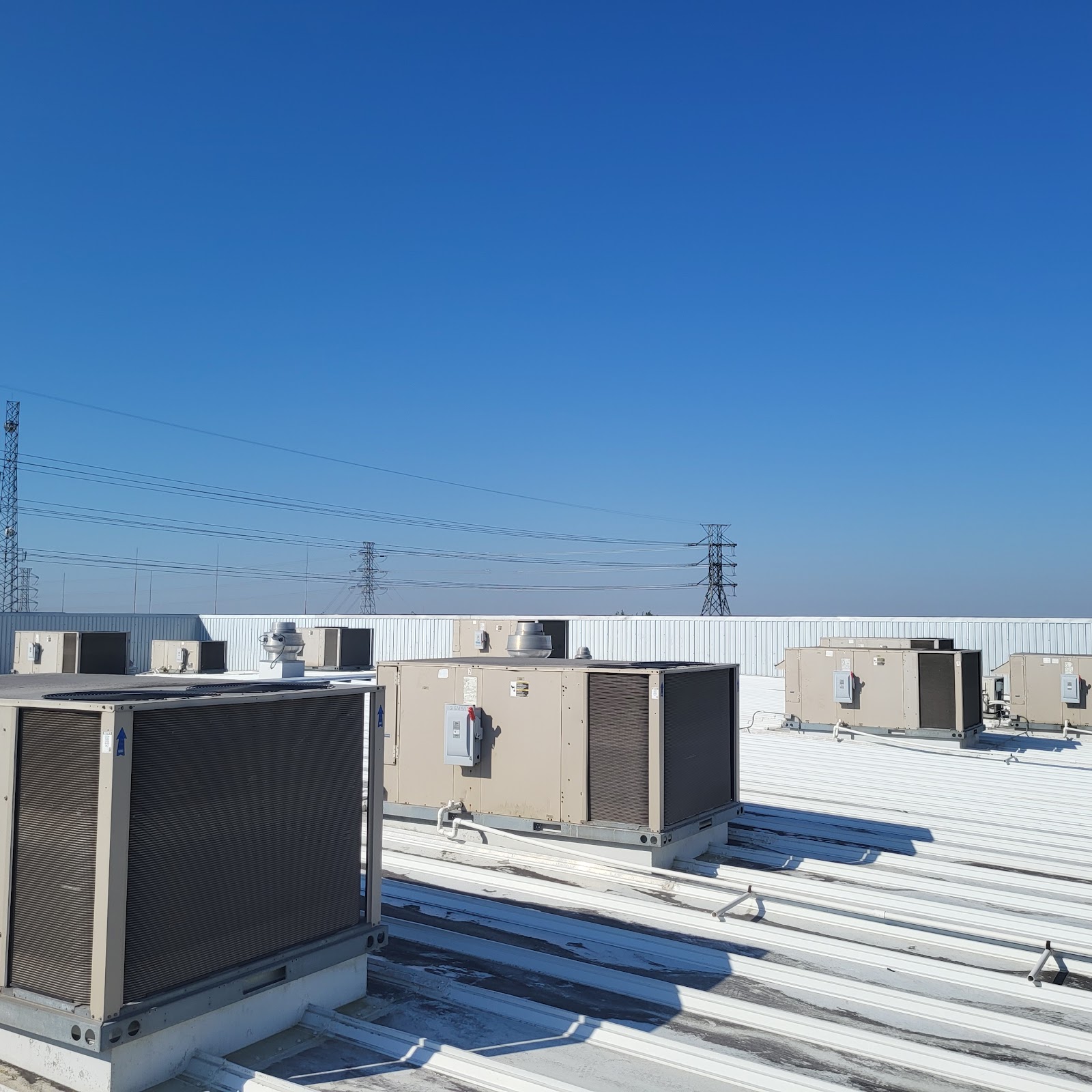
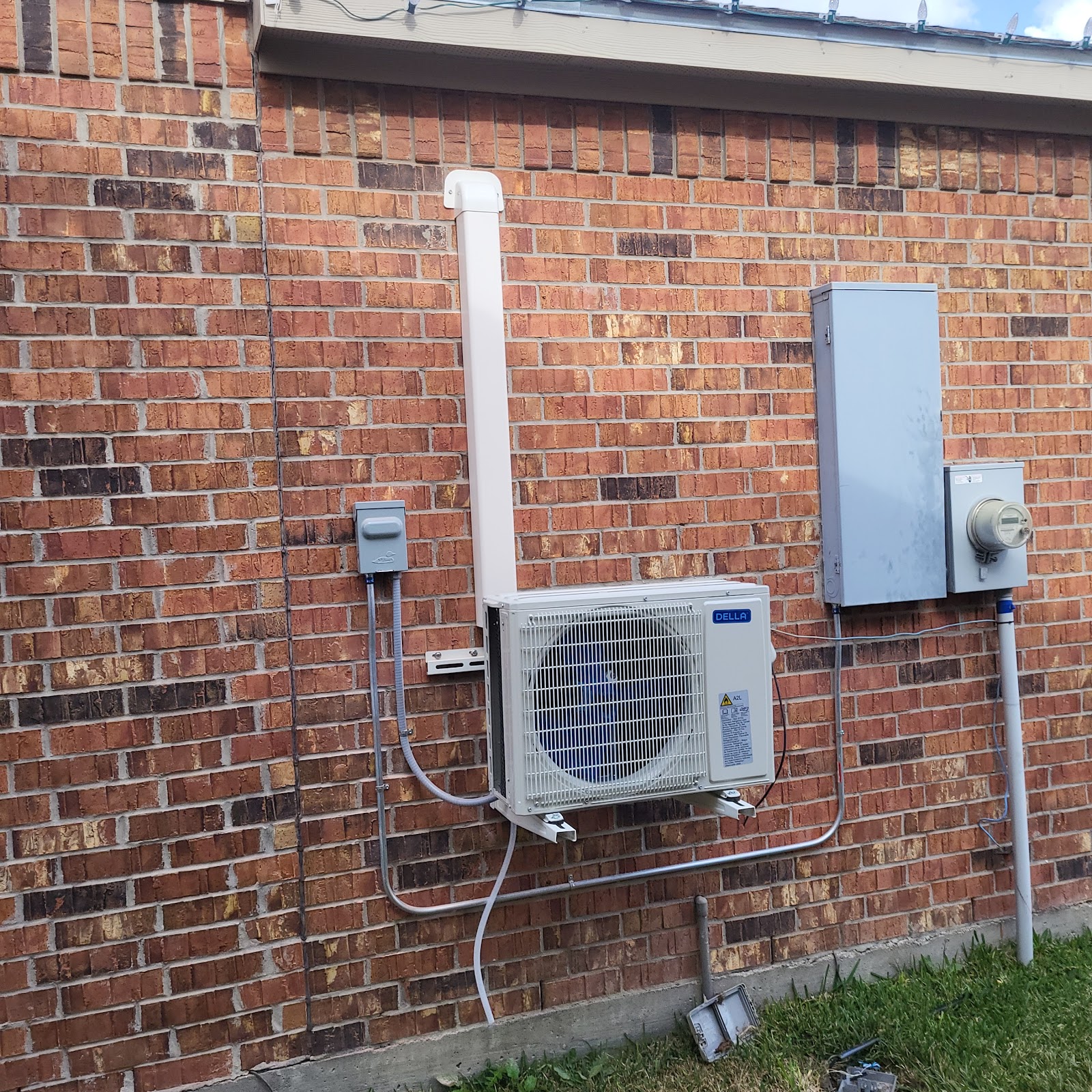
After a strong storm, check a few things. Go outside and look at your outdoor condenser unit. If you see burn marks, melted plastic, or components that look charred, you have damage. Inside, listen to your furnace or air handler when it runs. If it makes unusual grinding or humming sounds, or if it won't start at all, that's a red flag. Check your thermostat too. If it's blank, flickering, or unresponsive, the control board may have been hit.
Sometimes the damage isn't obvious right away. Your system might seem fine for a few days and then suddenly stop working. This happens when a component is partially damaged and fails under stress. If your AC or heat is running but seems weak, or if you hear clicking sounds from the outdoor unit when it tries to start, get it inspected soon.
What You Should Do Right After a Strike
Don't assume everything is fine just because your system is running. Turn off your HVAC system at the thermostat and the breaker if there's been a nearby lightning strike. This prevents further damage if there's an internal electrical problem you can't see. Check your circuit breaker panel. If any breakers have tripped, flip them back on once. If they trip again immediately, you have an electrical problem that needs professional attention.
Call Home Comfort Solutions or another licensed HVAC contractor in Magnolia to come inspect your system. We can check for surge damage, test the capacitor and compressor, and look at the control boards. It's better to pay for a diagnostic visit than to run a damaged system and turn a small problem into an expensive one. Most surge damage shows up in the first few days after a strike.
Does Your Homeowner's Insurance Cover This
This depends on your policy, but most homeowner's insurance does cover lightning strike damage to HVAC systems. The key word is "sudden and accidental." If lightning hits and fries your compressor, that's typically covered. You'll need to pay your deductible, which is often 500 to 1000 dollars depending on your plan. Document the damage with photos and contact your insurance company right away. They may require an inspection report from a licensed contractor, which is another reason to call someone out quickly.
Keep records of any repair estimates and receipts. If you need a full system replacement, insurance may cover a portion of it, though they typically pay the depreciated value, not the full cost of new equipment.
Protecting Your System Going Forward
The best protection is a whole-house surge protector installed at your electrical panel. This device absorbs voltage spikes before they reach your HVAC equipment and the rest of your home. If you live in an area prone to lightning, this is a smart investment. It costs between 300 and 600 dollars installed and can save you thousands in equipment damage.
You can also have a surge protector installed specifically on your HVAC system's circuit. This is less expensive and gives your equipment dedicated protection. Talk to your HVAC contractor about which option makes sense for your home and your local weather patterns.
Magnolia gets its share of thunderstorms, especially from late spring through early fall. If you've had a nearby strike and you're not sure whether your system was affected, don't wait. Home Comfort Solutions can come out, run a full inspection, and tell you exactly what's happening. Call us today.