When your HVAC system is too small, it runs constantly and never quite cools your house on a hot August afternoon in Magnolia. When it's too large, it cycles on and off rapidly, wastes energy, and leaves you with hot and cold spots throughout the home. Getting the right size is the single most important decision you make when replacing or installing a system, and it's the one thing most homeowners don't understand. A properly sized unit runs efficiently, keeps your electric bills reasonable, and lasts longer than an oversized system that's always short-cycling. The calculation isn't guesswork, and it's not something you should let a contractor decide by looking at your old unit.
How HVAC Sizing Actually Works
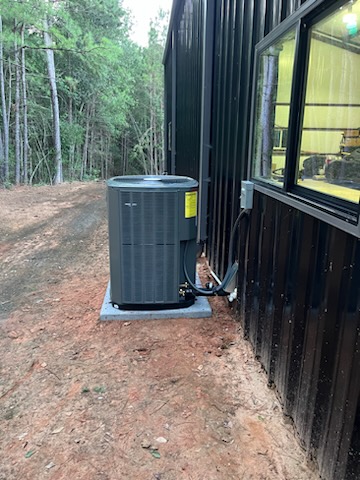
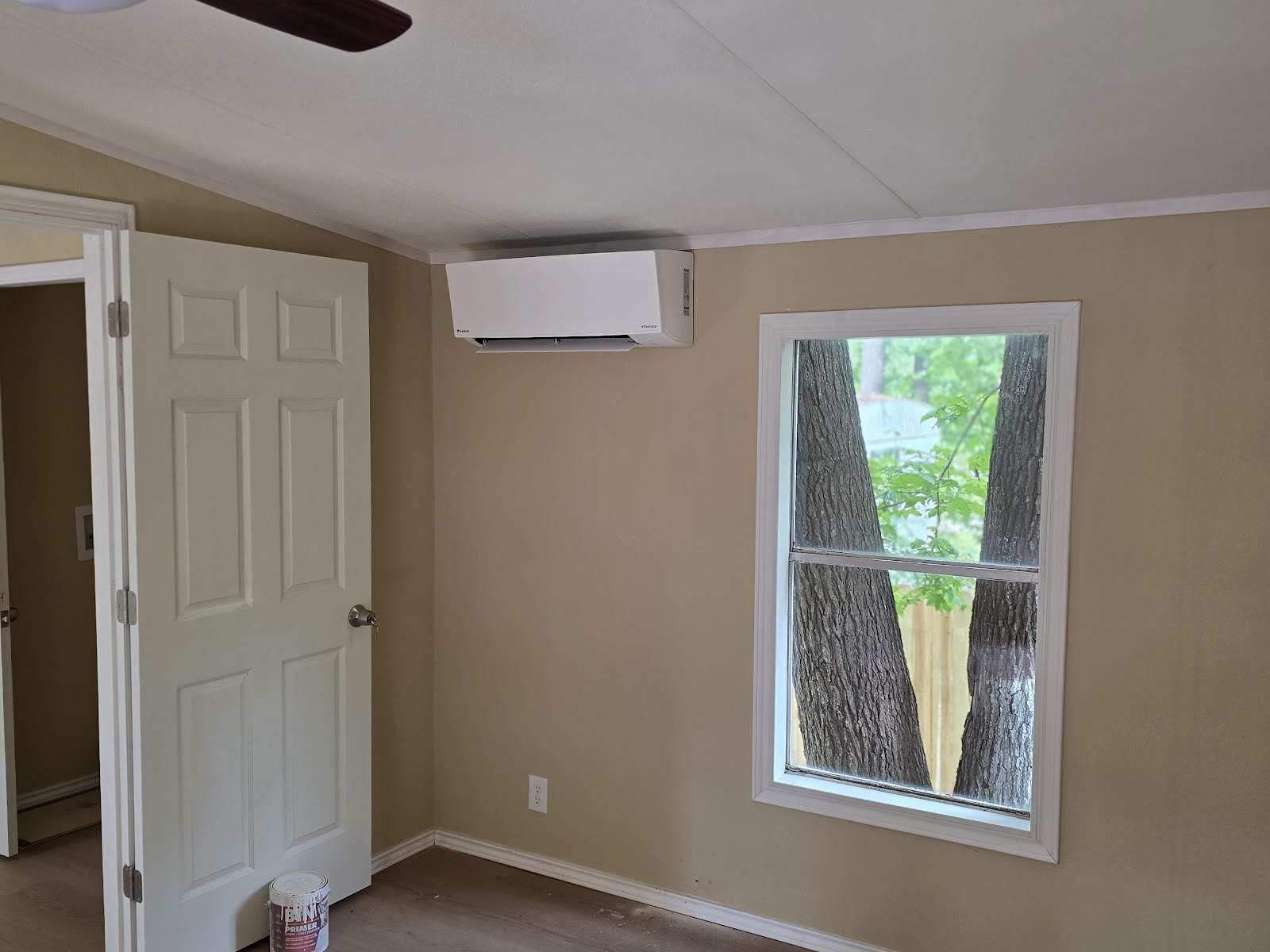
The correct size of an HVAC system is measured in tons, which refers to cooling capacity, not weight. One ton equals 12,000 BTU per hour. A typical Magnolia home might need anywhere from 2 to 5 tons, depending on the square footage and how well the house is insulated. The math starts with your home's square footage, but it doesn't stop there. A contractor who sizes your system correctly will account for the number of windows, the direction your home faces, the quality of your insulation, and whether you have shade from trees or neighboring homes. A west-facing house in Magnolia gets hammered by afternoon sun and needs more cooling capacity than an east-facing one. If you have a metal roof and older attic insulation, that changes the calculation too.
Why Contractors Sometimes Get This Wrong
Many HVAC companies use a shortcut called the "one ton per 400 square feet" rule. For a 2,000-square-foot home, that would suggest a 5-ton system. But that rule was developed decades ago for average homes in average climates, and it ignores all the specific details of your house. Some contractors oversizing systems deliberately because larger units cost more and generate higher profit. Others undersizing because they're trying to quote a lower price. The right approach takes time and involves a load calculation, which factors in your home's specific characteristics. This is called a Manual J calculation in the HVAC industry, and it's the standard that matters.
What Happens With an Oversized System
An oversized unit cools your home too quickly. The thermostat reaches the set temperature, the system shuts off, and then the house warms up again fast. This on-off cycling happens repeatedly throughout the day. Each time the system starts up, it draws a large surge of electricity. The compressor wears out faster under this stress. You're also not getting good dehumidification because the system isn't running long enough to pull moisture from the air. In humid East Texas summers, that means your home feels clammy even though it's technically cool enough. Your energy bills will be higher than they should be, and you'll replace the system sooner.
What Undersizing Costs You
An undersized system runs almost constantly on hot days and still can't reach your thermostat setting. You end up adjusting the temperature higher just to give the system a break. The compressor runs continuously, generating heat and wearing out faster. On a 95-degree day in Magnolia, an undersized system might cool your home to 78 degrees and then give up. You're uncomfortable, your electric bill is high because the system is running flat out, and the unit fails earlier than it should. Undersizing also causes uneven cooling, with rooms far from the return air feeling much warmer than rooms near the thermostat.
Getting the Right Sized System for Your Home
Start by asking any contractor you interview whether they perform a Manual J load calculation for your specific home. If they say no or if they quote you based on your old system size, keep looking. A proper calculation takes 30 to 45 minutes and involves measuring your home, inspecting insulation levels, checking window types and orientation, and documenting shading. Some contractors will charge a small fee for this analysis, which is actually a good sign because it means they're doing real work. Once you have the load calculation, the right size becomes clear. You're not guessing, and you're not relying on industry rules of thumb that don't apply to your house.
The sizing question also affects which type of system makes sense for you. A single-stage unit works fine if it's properly sized. An oversized single-stage system will short-cycle and waste energy. A two-stage or variable-capacity system is more forgiving of slight sizing errors and runs more efficiently at partial load, but it costs more upfront.
Home Comfort Solutions in Magnolia has been sizing and installing HVAC systems in our area for years, and we know how different neighborhoods and home types behave in our climate. We always start with a load calculation specific to your home and your situation. If you're thinking about replacing your system or just want to understand what size you actually need, call us for a consultation.