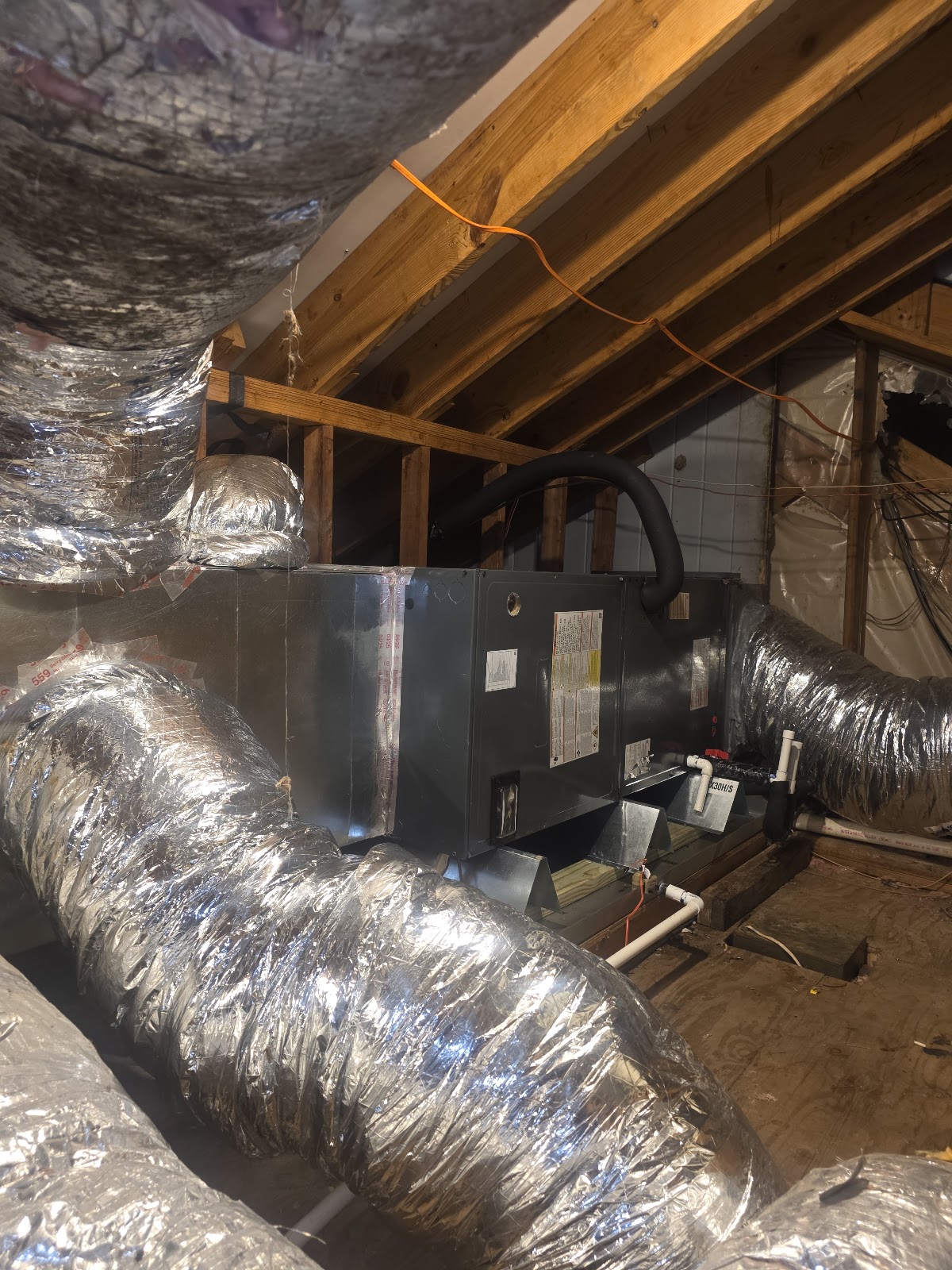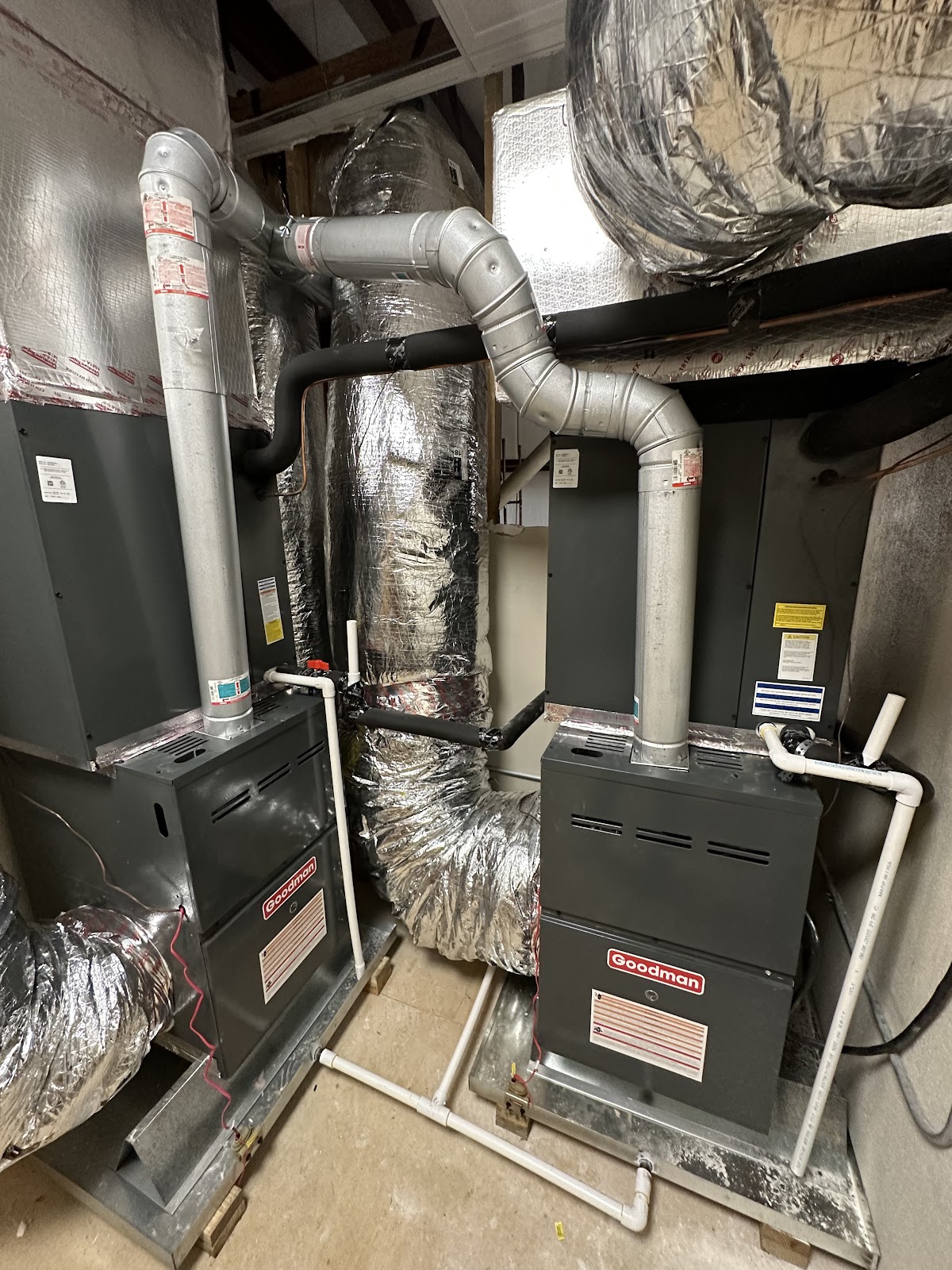
If your furnace won't ignite or keeps shutting off after a few minutes, the gas valve is often the culprit. This is the component that controls fuel flow to your burner, and when it fails, your heating stops working. In Magnolia, where winters can still drop into the 40s and 50s at night, a bad gas valve means you're scrambling for heat in the middle of the season. Understanding what goes wrong and what it costs to fix helps you make a faster decision when you're cold.
How a Gas Valve Works
Your furnace gas valve is a solenoid that opens and closes on command from your thermostat and control board. When you call for heat, an electrical signal tells the valve to crack open. Gas flows to the burner, the igniter lights it, and heat moves through your ducts. The valve holds steady until the thermostat senses enough warmth, then it closes. Simple in concept, but the valve sits in a harsh environment. It deals with pressure changes, temperature swings, and dust-laden air from your return ducts. After five to fifteen years of cycling on and off thousands of times, the solenoid coil burns out or the valve seat gets dirty and won't seal.
Symptoms of a Failing Gas Valve
The most obvious sign is a furnace that won't light at all. You hear the blower spin up and the igniter click, but no flame and no heat. Another common pattern is the furnace igniting for a few seconds, then shutting down. This happens because the valve opens, fuel ignites, but the flame sensor doesn't detect the flame strongly enough, so the control board closes the valve for safety. Sometimes the problem is intermittent. Your furnace works fine for a week, then won't start on a cold morning. You might also smell gas near the furnace if the valve is leaking fuel instead of containing it. If you notice any of these, don't keep trying to restart the furnace yourself. Call a technician to check it out.
Why the Valve Fails
The main culprit is debris in the gas line. Magnolia's older homes sometimes have galvanized pipes that rust on the inside, sending flakes into the valve. Dust and manufacturing residue from a new furnace installation can also lodge in the valve seat. The solenoid coil itself has a finite life. It's an electromagnet that energizes thousands of times, and the insulation breaks down. Moisture in the gas line, though rare in modern systems, can corrode internal parts. Power surges from lightning strikes during our summer thunderstorms can fry the coil instantly. Age is the biggest factor, though. A valve that's been running for twelve years is more likely to fail than one that's five years old.
Repair Costs in Magnolia
A gas valve replacement typically runs between 400 and 700 dollars, depending on the furnace model and the valve type. The part itself costs 150 to 350 dollars. Labor is usually two to three hours, which adds 150 to 250 dollars in service charges. If the technician finds debris in the line, they may recommend flushing the gas line, which adds another 100 to 200 dollars. Some valves can be cleaned instead of replaced if the failure is just a dirty seat. A cleaning costs 150 to 250 dollars and takes less time, but it's a temporary fix. Most technicians recommend replacement because the valve will likely fail again within a year. Emergency calls on weekends or evenings cost more. If you call on a Saturday afternoon in January, expect to pay a 50 to 100 dollar premium over the standard rate.
Prevention and Maintenance
You can't prevent a gas valve from aging, but you can catch problems early. Annual furnace maintenance in the fall, before heating season, includes a technician checking gas pressure, testing the valve's response time, and cleaning or replacing the air filter. A clean filter reduces dust in the system and protects the valve. If you have an older furnace with a standing pilot light instead of an electronic igniter, the valve works differently but still needs inspection. Keep your return air vents clear so the furnace gets clean air. If you've had recent work done on your gas line or furnace, ask the contractor if they flushed the line to remove debris. This simple step prevents valve trouble down the road.
When to Replace the Whole Furnace
If your furnace is fifteen years old and the gas valve fails, repair makes sense. But if it's twenty years or older, you should ask your technician whether replacement is worth considering. A new furnace costs 3,500 to 5,500 dollars installed, but it runs more efficiently, heats more evenly, and comes with a warranty. An old furnace with a new valve might give you two more years before something else breaks. The math depends on your furnace's age and condition.
Home Comfort Solutions serves Magnolia with same-day furnace repairs and honest pricing. If your furnace isn't heating, call us to schedule a diagnostic visit and we'll tell you exactly what's wrong and what it costs to fix.